

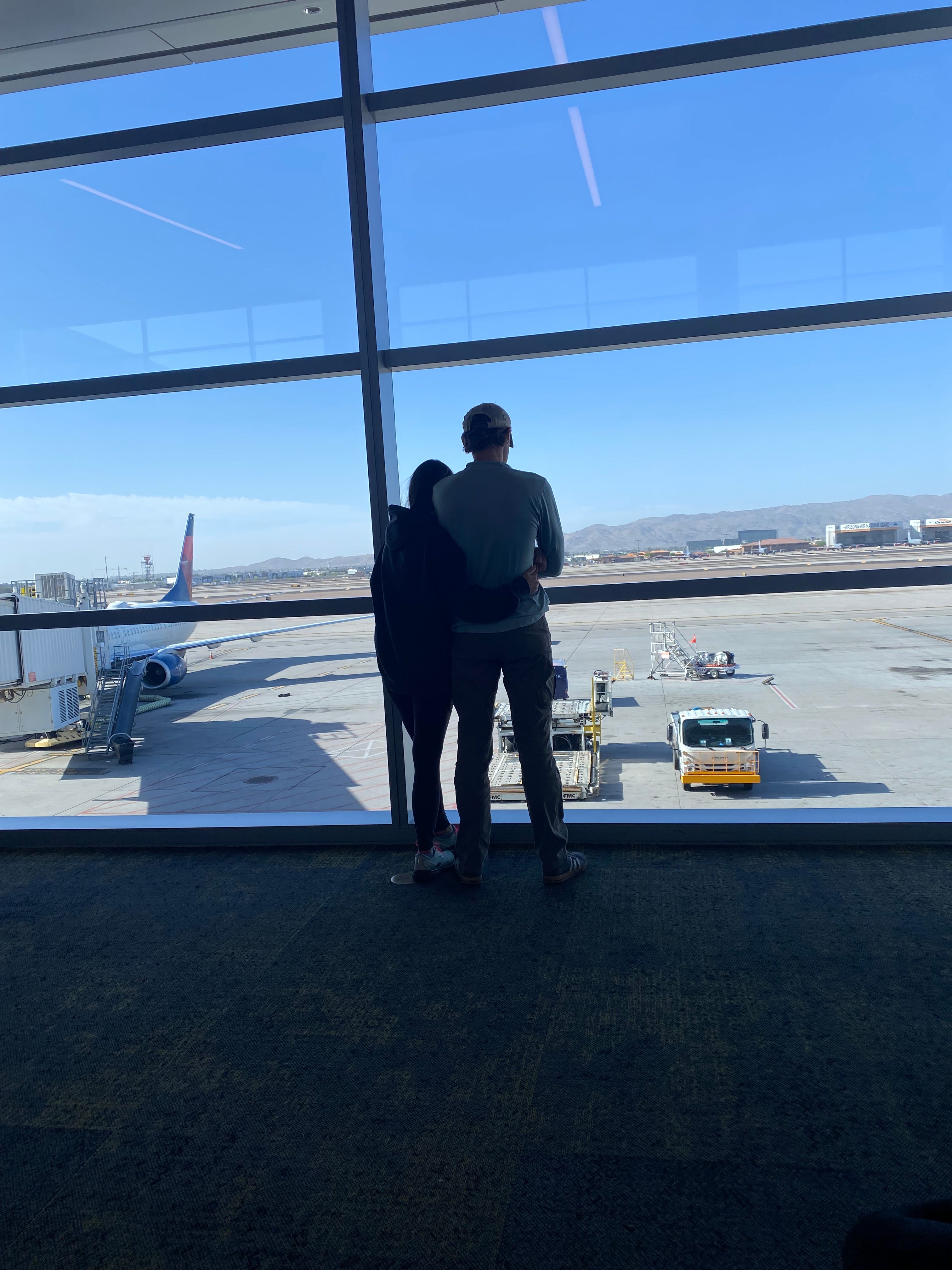
The process of wrapping up our lives in the U.S. was stressful enough before moving to The Hague. We were getting up early to take the kids to school, running normal errands like grocery shopping and closing out mailboxes, and then coming home to work. Waking up and walking into a kitchen with paint buckets and rollers wrapped in Walmart sacks immediately spiked my anxiety.
The last four and a half months in the States felt like pure chaos. We woke up at 6 a.m. and got going immediately, taking breaks only to eat or rest. I was still working 8–10 hour days, so it was up to Nate to manage most of the house repairs, while we split the bulk of the selling tasks.
Most nights we didn’t get to bed until late. The weight of packing up and selling off your entire life in one place is heavy, and the emotional toll of saying goodbye to certain things for the girls was another feat entirely. We couldn’t mentally process another big task until the one in front of us was finished.
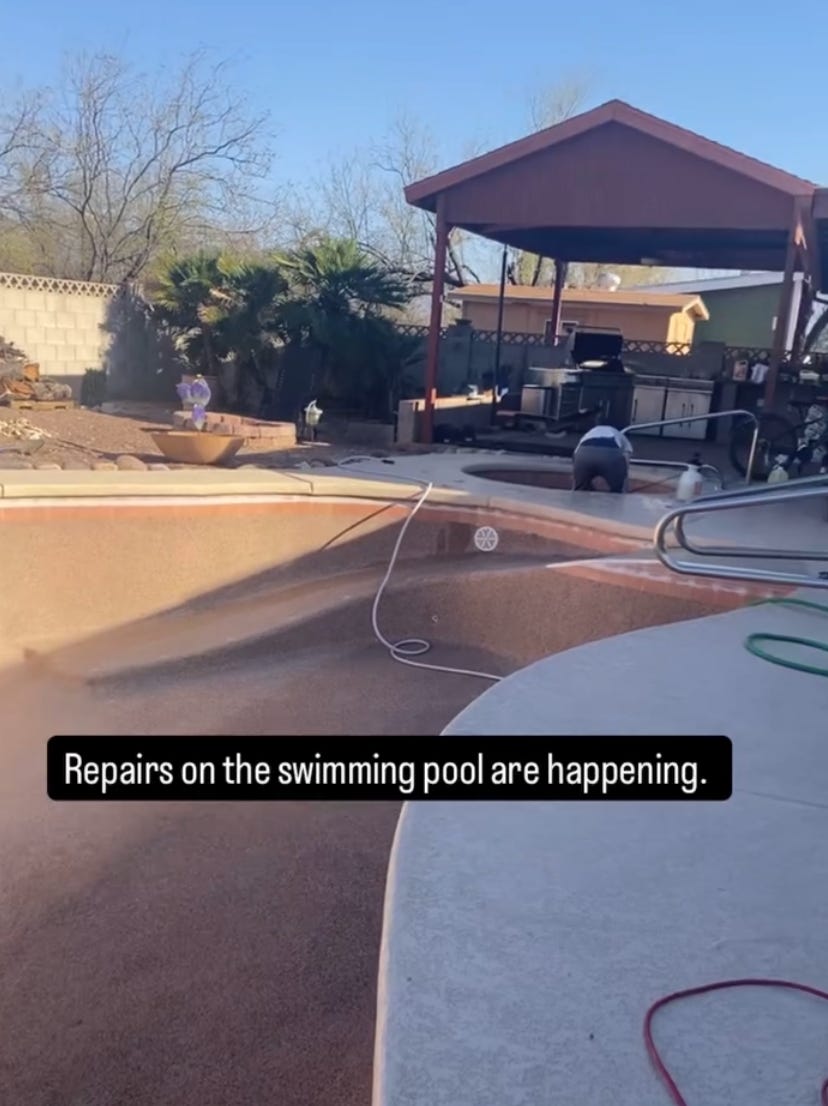
We repainted the entire kitchen because the walls had aged beyond color matching. Then came the pool repairs. Going to pool store after pool store and spending hundreds of dollars on supplies and chemicals to kill off black mold that had taken up residence in our pool over the winter was enough to put Nate in an early grave.
The list was vast, and each night we laid down in bed with a sigh of relief, quickly replaced by dread for the next day’s tasks.
At the time we made the decision to move across the ocean, I was at a high point in my business. I was booked and busy. Nate was also overwhelmed with college classes. We were so busy that we had no time to simply sit and exist, which left us in a state of constant anxiety and, dare I say, burnout.
When we arrived, I was at such a low point with jet lag that I was forced to slow down and just exist.
Being forced to slow down was a gift in disguise. I’m not the type of person who slows down willingly. Growing up, my grandfather retired from one career and immediately started another. Then he retired again and began a side hustle with a garden and roadside produce stand. It’s baked into the fibers of my American identity. Honestly, I think most Americans are wired this way.
Little did I know I’d need that time to rest, because hard days lay ahead with the bureaucratic mess I had to face. If there’s one thing that triggers my anxiety and panic, it’s financial stress.
During the first few weeks after arriving, I didn’t yet feel the culture shocks that would hit me later.
Dutch libraries are very different in one small way compared to the States. Adults pay for a library card, but kids up to 18 get theirs for free. Depending on the level you choose, you get more perks. Of course, all libraries are free to enter if you just want to sit at a table to read or work, which I’ve done many times since arriving. The buildings themselves are much like any other, clean and modern with the delightful smell of books waiting for someone to adventure into the pages.
Many libraries here also have coffee machines, and some even have full cafés with a proper coffee and tea menu and baked goods to enjoy. I feel like getting a library card is a bit of a rite of passage as a child, and since Dutch kids roam the streets freely from a young age, paired with the fact that we have several branches within a stone’s throw of our apartment, it was only natural to get our cards.
Grocery stores in the Netherlands are much the same as in the States, but also different in so many ways. Not knowing the language meant I spent far more time in the aisles than I was used to. One of my first tasks in any new store was to mentally map it out so I knew exactly where everything was and could make an efficient route. In and out with no wasted time. Such an American sentiment.
The carts are strange, and I have to admit I don’t like them. All four wheels swivel, which makes it feel like the cart is fighting me at every turn. Some stores, like Jumbo, even have cart escalators to move between floors, which felt surreal the first time I used one.
The selection is also different. There’s a bigger mayo and ketchup aisle than the cereal aisle, easily double the options I was used to. Yet the thing I adore most is the bakery. Every store bakes fresh bread and pastries daily, free of preservatives, and the smell alone is worth the trip.
I was constantly caught between confusion and delight. Confusion over labels (what was the word for garlic powder again?) and delight at the new selections and rotating sale items. Little by little, I learned which stores carried my favorites, how much I could carry home without a car, and that most people here shop for only a day or two at a time. In contrast, Americans often shop for weeks in one trip, a difference that still fascinates me.
Living here has felt great most days, but something inside of me hasn’t felt settled since we arrived. It wasn’t until I talked it through with a friend that it started to make sense. I feel like I’m living in an Airbnb. I don’t feel at home, and I don’t feel like I can make it my home. Someone else is living in my house now, and I’m here. I miss my space, yet at the same time there’s a lot, and I mean a lot, I don’t miss.
This is the first time since 2013 that I’ve rented, and that probably explains why the feeling is so strong. There were things we needed, laundry baskets, a toaster, hangers to finally get our clothing out of suitcases, but we had arrived with only what we carried on the plane. Our shipping crate was still making its way across the ocean, which meant buying only the bare minimum to get by. Every purchase felt temporary, like a placeholder until our real life caught up with us.
Our adventures those first few weeks were mostly on foot, especially when we needed to buy bigger items like the fan. We hadn’t yet built the confidence to carry bulky things the way the Dutch so effortlessly balance them on their bikes. The stores here are tucked into neighborhoods, and I was shocked at first to see that each little area had its own collection of shops, salons, cafés, and even sidewalk vendors. People here seem to buy what they need in person far more often than ordering online.
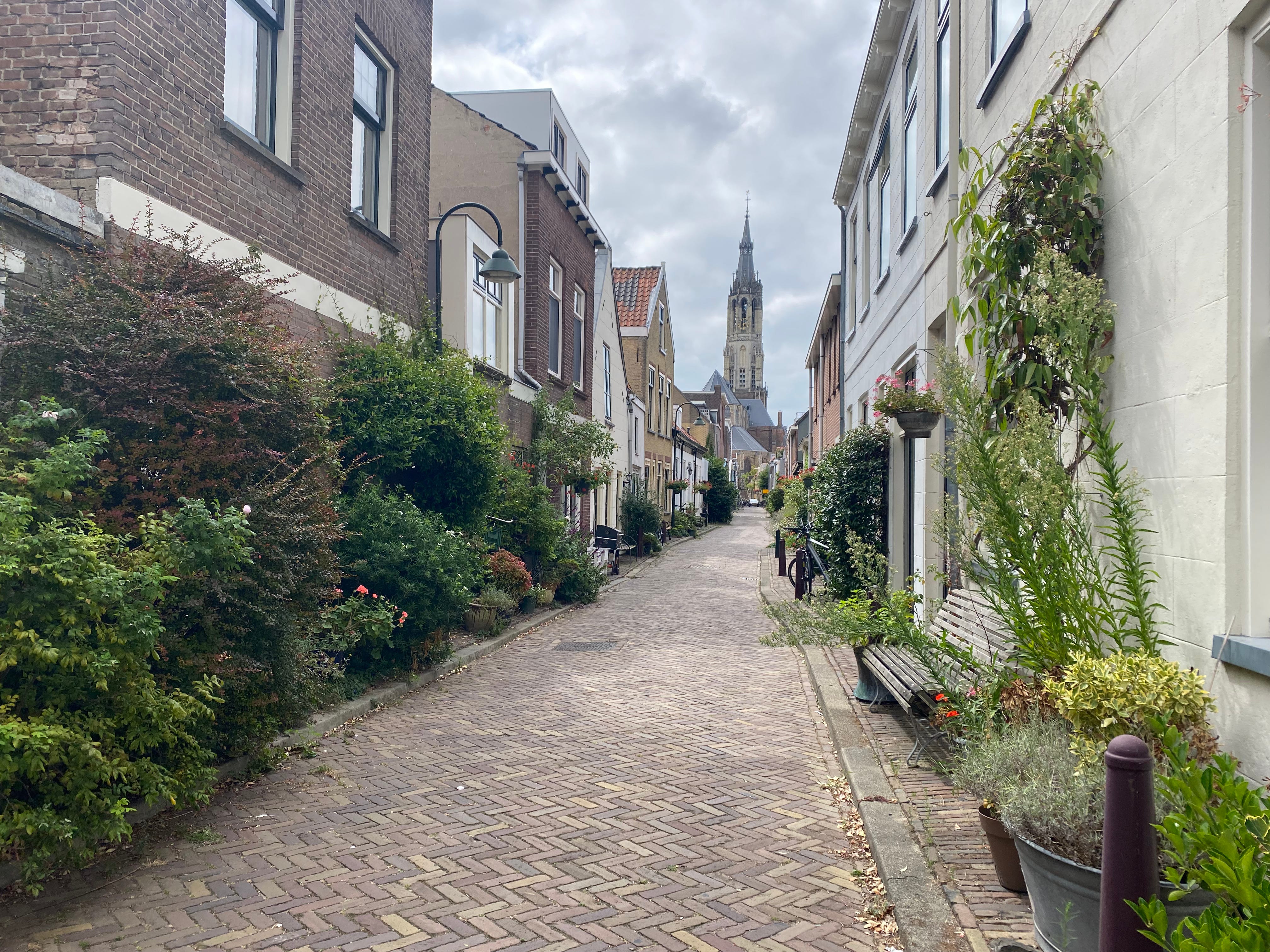
Discovering the cobblestone streets felt like a treat, a sharp contrast to Tucson where this way of life just isn’t possible. Here, the stones aren’t just for character. They’re chosen intentionally to slow traffic, making walking or biking to buy a toaster not only normal, but safe.
These errands weren’t just errands. They were the first steps toward feeling like this place could actually be home. As creatures of habit, both Nate and I need routine in our days. Waking up and making coffee, having breakfast, getting the girls up and ready, all of it depends on having the “things” that support those rhythms. It’s the scaffolding of our new life here. With every trip to Hema, the hardware store, or Etos, I learned how to navigate, how to ask questions, and how to provide for my family in a country that still feels strange. Piece by piece, we are stitching together the beginnings of belonging.